How an Emergency Dentist Treats Teeth Injured During Sports
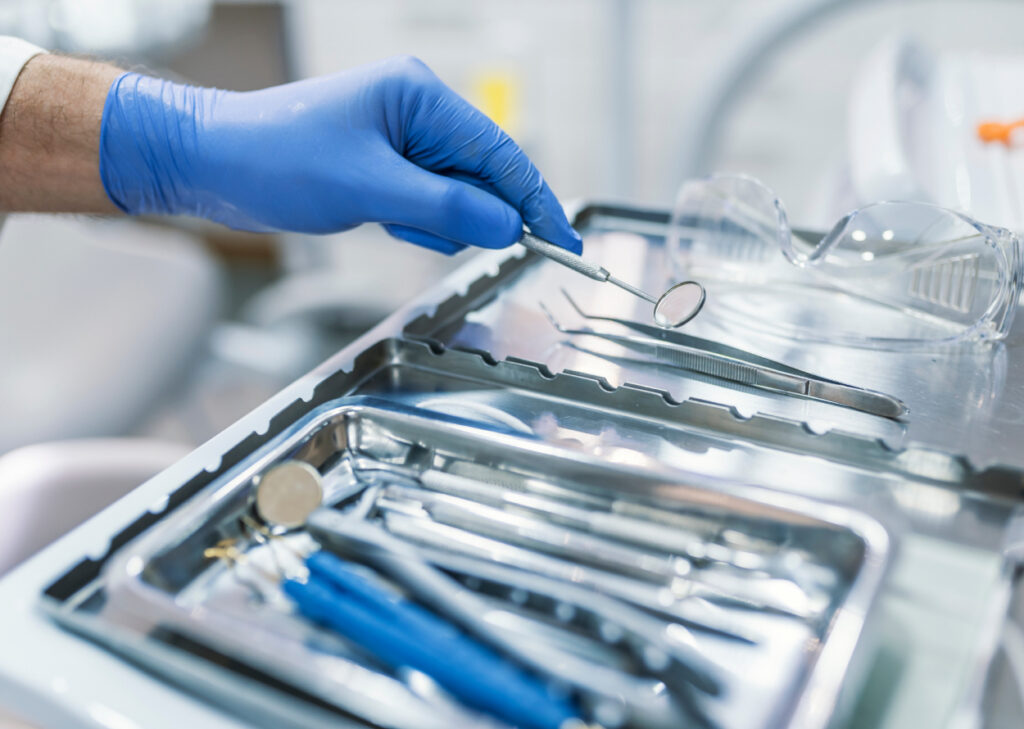

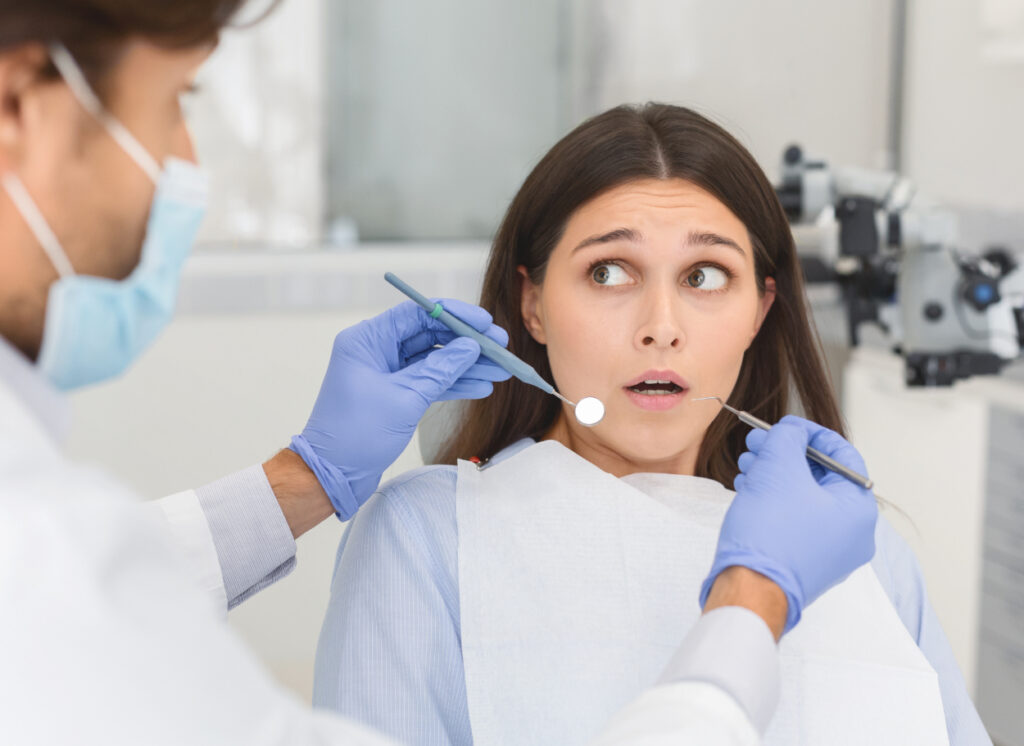
A sports injury to the mouth has a way of collapsing time. One second a player is tracking a ball, bracing for contact, or sprinting into a challenge. The next, there is blood, pain, and the peculiar shock that comes with feeling a tooth where it should not be, or not feeling it at all. Dental injuries on the field, court, rink, or mat are rarely tidy. They involve force, speed, adrenaline, and often a crowd of well-meaning people giving conflicting advice.
That is why the role of an Emergency Dentist matters so much in sports trauma. These cases are not just about fixing a chip for cosmetic reasons. The first decisions made after impact can affect whether a tooth survives, whether a nerve recovers, how the bite functions, and how much treatment will be needed months later. In practice, sports injuries range from a barely visible enamel crack to a tooth pushed deep into the gum, broken roots, jaw injuries, and avulsions, where the tooth is completely knocked out.
The treatment starts long before the dentist picks up an instrument. It begins with understanding the mechanism of injury, controlling bleeding, protecting the tooth from further damage, and deciding how urgently the patient needs care. A skilled emergency team looks at the whole picture, not just the visible tooth.
Why sports injuries are different from everyday dental accidents
A chipped front tooth from biting down on something hard is one kind of dental problem. A tooth damaged during basketball, hockey, football, baseball, martial arts, cycling, or skateboarding is another. Sports trauma often delivers a concentrated blow to the face, and that means several layers of injury can happen at once.
The crown may fracture, but the periodontal ligament around the root may also be torn. The tooth may look intact yet be loosened, displaced, or deprived of blood supply. The lip and cheek may be lacerated. Small fragments of enamel or dirt from a playing surface can become embedded in soft tissue. In younger patients, there is an added variable: the roots may not be fully developed, and that changes how aggressively a dentist can stabilize, reposition, or monitor the tooth.
A hard hit also creates diagnostic uncertainty. Some athletes arrive focused on one obvious broken tooth, only for imaging to reveal another root fracture nearby. Others come in with very little visible damage, but the tooth later darkens because the pulp was irreversibly injured. The point is simple. Sports trauma often looks smaller than it is, or larger than it is, until a proper exam sorts out what actually happened.
What happens in the first minutes after the injury
The window right after impact matters more than most people realize. The dentist will want to know when the injury happened, whether the tooth was found, whether it was stored correctly, whether the player lost consciousness, and whether there is jaw pain or difficulty closing the teeth together. Timing shapes the treatment plan.
Before the patient reaches the office, the best immediate steps are usually these:
- Control bleeding with gentle pressure using clean gauze or cloth.
- If a permanent tooth is knocked out, hold it by the crown, not the root, and rinse it briefly with clean water if dirty.
- If possible, place the tooth back in the socket right away, or keep it in cold milk or a tooth preservation solution.
- Use a cold compress on the face to limit swelling.
- Seek urgent dental care promptly, and medical care as well if there was loss of consciousness, vomiting, severe facial swelling, or suspected jaw fracture.
There are two points here that deserve emphasis. First, baby teeth should not be replanted after they are knocked out, because doing so can damage the developing permanent tooth. Second, a knocked-out permanent tooth has the best chance when it is reimplanted quickly. That chance drops as the root surface dries out. Dentists rarely speak in absolutes because every case is different, but the broad rule is that minutes matter.
The first exam is about more than the tooth
When an injured athlete arrives, treatment does not begin with drilling or bonding. It starts with triage. An Emergency Dentist evaluates pain, bleeding, swelling, and how the injury occurred. A direct blow from an elbow is different from a fall onto pavement. A hockey puck to the mouth can create a different injury pattern than a glancing basketball collision.
The exam usually includes checking the lips, cheeks, tongue, gums, and bite. The dentist will gently test whether the teeth move, whether they are tender to percussion, and whether there is interference when the patient closes. Photographs are useful, especially for front teeth, because they document the starting point and help monitor color changes or gum healing later.
Radiographs are almost always part of the process. A standard dental X-ray may show root fractures, displacement, or damage around the apex of the root. In some cases, especially when the trauma is severe or the findings do not match the symptoms, a three-dimensional scan may be indicated. Imaging can also help locate tooth fragments. It is not unusual for a piece of incisor to be missing from the tooth but found in the lower lip on an X-ray after a laceration.
This early phase also involves judgment about priorities. If the tooth is displaced and the bite is off, repositioning may come first. If the tooth is avulsed, reimplantation is urgent. If the fracture exposes the pulp and the patient is in severe pain, covering or treating the nerve may take priority. If there is facial trauma that suggests a jaw fracture or head injury, dental treatment may pause while the patient is referred for medical evaluation.
Chipped and fractured teeth, from minor damage to nerve exposure
Not every sports injury is dramatic. A very common presentation is a chipped front tooth, often from basketball, baseball, or a fall during cycling. These cases vary widely.
A small enamel chip may need only smoothing or bonding. Bonding can be an excellent immediate treatment when the fracture is limited and the fragment is missing. Modern composite materials allow a dentist to rebuild shape and edge contour in a way that is functional and often surprisingly natural. For an athlete with a visible chip before a tournament, a same-day repair can restore appearance and reduce sensitivity quickly.
A deeper fracture involving dentin changes the picture. Dentin exposure often brings sensitivity to air, cold, and touch. The tooth may still test normally at first, but that does not guarantee long-term pulp survival. In these cases, an emergency dentist typically seals the exposed area, rebuilds the missing structure if feasible, and schedules follow-up testing. Some teeth recover cleanly. Others develop delayed nerve symptoms days or weeks later.
When the fracture exposes the pulp, the patient often reports sharp pain, and the center of the break may appear pink or red. In a mature permanent tooth, root canal treatment is frequently needed, either immediately or after short-term stabilization. In a younger tooth with an open apex, the dentist may try to preserve pulp vitality if the exposure is fresh and conditions are favorable. That decision is not cosmetic or academic. Keeping the pulp alive in an immature tooth allows the root to continue developing, which improves long-term strength.
Then there are fractures that extend below the gumline. These are more complicated because the visible break is only part of the problem. Isolation is harder, the restoration margin may be inaccessible, and the tooth may not be restorable without additional procedures. In some cases the best emergency step is to protect the area, control pain, and stabilize the tooth before a definitive plan is made with a general dentist, endodontist, periodontist, or oral surgeon.
When a tooth is loose, pushed out of place, or jammed inward
Some of the most important sports injuries are not broken teeth at all. They are luxation injuries, where the tooth has been displaced but not avulsed. These are easy for non-dentists to underestimate because the crown may look mostly whole.
A concussion injury means the tooth is tender but not loose or displaced. Subluxation means it is tender and mobile, usually with some bleeding around the gumline. These may be managed with observation, a soft diet, and close follow-up, though the dentist will continue to monitor for pulp changes.
More severe luxation injuries require active treatment. If a tooth has been extruded, meaning partially pulled out of the socket, it often needs to be gently repositioned and splinted. If it has been pushed sideways, the same applies. The goal is to restore the tooth to its proper position and give the periodontal ligament a chance to heal. Flexible splinting is commonly used for a short period. It stabilizes the injured tooth by attaching it to adjacent teeth while still allowing slight physiological movement, which supports healing better than making the tooth completely rigid.
Intrusion is one of the more serious patterns seen in sports trauma. That is when a tooth is driven upward into the bone. In children and adolescents, management depends heavily on root development and the degree of intrusion. Some teeth may re-erupt on their own, while others need orthodontic or surgical repositioning. In adults with fully formed roots, the outlook for the pulp is less favorable, and root canal treatment is often part of the eventual care plan.
These cases remind patients of something they usually had not considered before the injury. A tooth is not like a nail in wood. It sits in a living ligament and a blood-supplied socket. That biology is what makes recovery possible, but it is also what makes trauma unpredictable.
What an Emergency Dentist does when a tooth is knocked out
A knocked-out permanent tooth is one of the true time-sensitive emergencies in dentistry. The emergency dentist’s job is to give that tooth its best possible chance, while being realistic about the risks.
If the tooth arrives in good condition and has been kept moist, the dentist will usually rinse the socket if needed, inspect the root surface, and reimplant the tooth carefully. The tooth is then positioned properly and splinted to neighboring teeth. Tetanus status may be discussed depending on the circumstances of the injury, especially if there was contamination from soil or a dirty environment. Antibiotics may be prescribed in some cases.
After reimplantation, the next steps depend on the patient’s age, the maturity of the root, and the extra-oral dry time. Mature permanent teeth often need root canal treatment within a relatively short period after reimplantation to reduce the risk of inflammatory root resorption. Immature teeth may be watched more closely at first, because some can revascularize if conditions are favorable.
The hard truth is that even ideal emergency care does not guarantee long-term survival. Some replanted teeth heal well for years. Others develop resorption or ankylosis, where the tooth fuses to the bone and gradually loses its normal ligament. Still, rapid treatment is absolutely worth pursuing. A saved tooth, even temporarily, can preserve bone and maintain appearance during critical growth years in younger patients.
Soft tissue injuries often tell part of the story
Dentists who treat sports trauma learn to respect lip cuts. A split lip may look like a straightforward soft tissue injury, but it can hide tooth fragments, grit, or deeper tissue damage. If a piece of tooth is unaccounted for, the dentist may take a soft tissue radiograph to make sure it is not lodged in the lip or cheek.
Cleaning and inspecting the wound matters. Small lacerations may heal with careful home care, while larger or gaping wounds may need sutures. The dentist also checks whether the edges of the wound line up properly, especially on the lip border, where even a slight mismatch can be cosmetically noticeable later.
There is another reason soft tissue injuries matter. They often indicate the force of the blow. A patient with torn inner lip tissue from hitting the incisors may also have bruising to the supporting bone around those teeth. What looks dramatic externally sometimes heals quickly, while what looks mild on the tooth can become the more lasting problem.
The hidden timeline of dental trauma
Patients often hope that once the pain is controlled and the visible damage is repaired, the problem is over. With sports injuries, that is not always true. Trauma follow-up is where good emergency care proves its value.
A tooth can test vital the day it is injured and still develop pulp necrosis later. Another can look slightly loose at first and then firm up nicely with no further treatment. Color changes can appear weeks later. Root resorption may only become apparent on follow-up radiographs. That is why an emergency visit is often the first phase, not the whole course of treatment.
The dentist typically schedules reviews based on the injury type. Those visits may include repeat radiographs, vitality testing, mobility checks, and reassessment of the bite. Parents sometimes find this frustrating when the child feels fine, but it is standard and prudent. Some of the most important changes in dental trauma are silent at first.
A useful way to think about it is this: emergency treatment stabilizes the injury, then time reveals how the living tissues responded. Dentistry can repair structure quickly. Biology takes longer to declare itself.
Children, teens, and adult athletes are not managed the same way
Age changes everything in dental trauma. A young athlete with developing permanent incisors presents a different set of priorities than a fully grown adult with mature roots and previous dental work.
In children and teens, preserving pulp vitality where possible is valuable because it allows continued root development. The bone is also more elastic, which can influence how teeth displace during impact. Follow-up has to account for growth, orthodontic factors, and the emotional impact of an injury to visible front teeth during socially sensitive years.
Adults bring different complications. Restorations may already be present. A crown can fracture off at the margin. A root-filled tooth may split in a way that has a poorer prognosis. Bruxism, gum recession, and previous trauma all affect the treatment plan. An adult recreational cyclist who lands face-first on asphalt may also have more complex fractures or bone injuries than a younger athlete who sustains a glancing ball strike.
Even the same injury may be handled differently depending on life stage. That is one reason experienced trauma care does not rely on rigid recipes.
How emergency treatment connects to longer-term repair
The emergency phase is about survival, comfort, and stabilization. Definitive treatment may come later, sometimes after the tooth has declared its prognosis.
For some patients, the emergency visit is nearly the whole story. A bonded chip heals uneventfully, and normal life resumes. For others, the injury begins a sequence of care that may include root canal treatment, replacement of a lost fragment with composite bonding, veneers, crowns, gum contouring, orthodontic repositioning, or implant planning if the tooth cannot be saved.
An Emergency Dentist has to balance speed with restraint. It can be tempting to push toward a permanent cosmetic solution immediately, especially when a front tooth is involved and the patient is distressed. But there are times when the most professional decision is to provide a durable interim repair, monitor healing, and defer the final restoration until the pulp status and gum architecture are clearer. That patience often produces the better result.
In visible areas, matching the adjacent teeth matters enormously. Trauma can alter not just shape, but translucency, edge texture, and gum line symmetry. The emergency repair needs to respect those details while accepting that the last layer of ideal aesthetics may have to wait.
What patients should expect after the appointment
After treatment, most athletes leave with instructions that sound simple but are more important than they appear. Healing teeth do not like repeated stress. A soft diet is often recommended for a period, especially if splinting was used. Contact sports must pause until the tooth is stable and the dentist clears return to play. Good oral hygiene remains essential, but cleaning has to be gentle around injured tissues.
Common aftercare advice includes the following:
- Expect tenderness for several days, especially when biting.
- Use prescribed or recommended pain relief as directed, and ice the outside of the face intermittently during the first day if swelling is present.
- Keep the area clean with careful brushing and, if advised, an antimicrobial rinse.
- Avoid biting directly into hard foods with the injured teeth until healing is confirmed.
- Return promptly if the tooth darkens, throbs, becomes more mobile, or the bite feels wrong.
One practical issue often overlooked is the athletic calendar. Families sometimes ask if a child can play in a weekend tournament after a Friday injury, or whether a college athlete can return with a temporary mouthguard over a splint. The answer depends on the type of trauma, but for displacement injuries and avulsions, caution is usually warranted. Re-injury in the early healing phase can undo good work quickly.
Mouthguards, prevention, and the injuries dentists keep seeing
Most sports dentists have a mental catalog of preventable injuries. The basketball player who never thought of a mouthguard because the sport is not formally classified as collision-heavy. The adult in a weekend hockey league using a store-bought guard that barely fit. The baseball infielder who lost a tooth on an unexpected bad hop. These stories repeat.
Custom mouthguards do not prevent every injury, and they certainly cannot stop all jaw or facial trauma. But they do reduce the risk and severity of many dental injuries. A properly fitted guard distributes force more effectively than a loose over-the-counter version and is more likely to be worn consistently because it is comfortable enough to speak and breathe through.
There is also a broader prevention message here. Coaches, trainers, and parents should know the basics of knocked-out tooth management before they need it. Milk is better than a dry paper towel. Permanent teeth can sometimes be replanted immediately. Baby teeth should not be. An athlete with dental trauma and signs of concussion needs medical assessment too. These are simple points, but they change outcomes.
Sports are not sterile, and they should not be. They are physical, fast, and imperfect. Injuries happen even when people do everything right. What matters is how quickly the injury is recognized, how appropriately it is handled in the moment, and how carefully it is followed afterward.
When a tooth is injured during sports, the emergency visit is about far more than patching visible damage. It is about preserving blood supply, protecting the root surface, restoring the bite, tracking subtle changes, and making a series of decisions under time pressure that support the best long-term result. That is the real work of an Emergency Dentist, and in sports trauma, it can make the difference between a straightforward https://erickzndv407.swiftnestly.com/posts/emergency-dentist-guidance-for-holiday-dental-emergencies recovery and years of avoidable treatment.
Simple Dental South Gate
Address: 8617 California Ave, South Gate, CA 90280
Phone number: +13236896118
FAQ About Emergency Dentist Southgate CA
What can the ER do for a tooth?
The emergency room can provide temporary symptom relief for a bad tooth, such as prescribing pain medicine or antibiotics, but it cannot fix the actual dental problem.
What is the 3-3-3 rule for tooth infection?
The 3-3-3 rule for a toothache or infection typically means taking three 200 mg ibuprofen tablets (600 mg total) three times a day for no more than three days to control pain and swelling while waiting to see a dentist.
What do you do if you have a dental emergency but no dentist?
If you have a dental emergency and no regular dentist, you should search for an urgent care dental clinic, call local walk-in dental offices, or go to a hospital emergency room if you have severe bleeding, swelling, or trouble breathing.