The Hidden Benefits of Choosing Invisalign
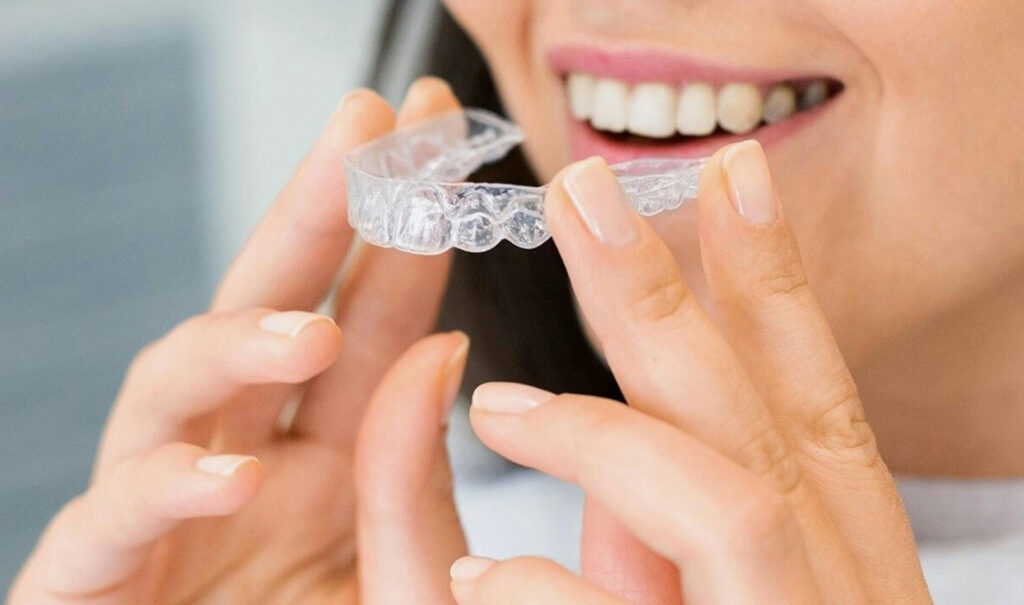
Most people who ask about Invisalign are thinking about the obvious things first. They want straighter teeth, a better smile, and something less noticeable than metal braces. Those are valid reasons, and for many patients they are enough. Still, after years of watching people go through orthodontic treatment, I have noticed that the most meaningful advantages often appear later, almost as side effects. They are the benefits people rarely mention at the consultation, yet they are often the ones patients appreciate most once treatment is underway.
The quiet appeal of Invisalign is not just cosmetic. It changes how treatment fits into ordinary life. It influences confidence in subtle social situations, it can make oral hygiene easier to manage, and it often creates a different kind of relationship between the patient and the process itself. That matters more than it sounds. Orthodontics is not a single event. It is a commitment measured in months, sometimes longer. The treatment that looks good on paper is not always the treatment a person will follow well in real life.
That is where Invisalign often earns its reputation.
The advantage people feel before they can explain it
When patients first put in aligners, the reaction is rarely dramatic. There is no theatrical moment. Usually, they run their tongue over the trays, speak a few sentences, and look in the mirror. Then something settles in. The device feels more compatible with everyday life than they expected.
That sense of compatibility is one of the hidden benefits.
Traditional braces announce themselves. They can affect facial photographs, business meetings, dating, and even the simple act of laughing without thinking. Invisalign does not erase self-consciousness overnight, but it softens it. Adults in particular tend to underestimate how much mental energy they spend managing appearance in professional and social settings. When treatment is discreet, that burden shrinks. People stop planning around their orthodontics.
I have seen this with teachers, sales professionals, attorneys, and patients who spend a great deal of time face-to-face with others. They come in expecting convenience and leave talking about relief. Relief that they did not have to explain their braces to every client. Relief that their wedding photos or work headshots looked like themselves. Relief that they could go through treatment without feeling as if they were in a visibly awkward phase of life.
That is not vanity. It is comfort, and comfort makes adherence easier.
Better compliance often comes from dignity, not discipline
Orthodontic success depends on consistency. Invisalign works best when aligners are worn for the prescribed number of hours each day, usually around 20 to 22 hours. On paper, that sounds like a discipline problem. In practice, it is often a design problem. People follow through when treatment integrates smoothly into routines and does not make them feel conspicuous.
This is one of the less discussed strengths of Invisalign. Patients who feel good about wearing their aligners usually wear them more faithfully. They are less likely to remove them for every conversation or social event. They are less likely to “forget” them on a bedside table over the weekend. The psychology matters.
There is a common assumption that removable aligners must automatically mean worse compliance than fixed braces. Sometimes that is true. A teenager who lacks structure, or an adult who travels constantly and misplaces things, may struggle. But the opposite is also common. A motivated patient can become more engaged with Invisalign because the system invites participation. They can see each stage, understand the progression, and feel the treatment changing week by week. That sense of agency is powerful.
Patients often describe Invisalign as something they are doing with their orthodontist, rather than something being done to them. That distinction can change everything.
Oral hygiene is not glamorous, but it is where long-term value lives
Straight teeth matter. Healthy teeth matter more.
One hidden benefit of Invisalign is that brushing and flossing are generally much simpler than they are with brackets and wires. This sounds like a practical footnote until you have seen the difference it makes over a year or two. Fixed braces create more plaque traps. They complicate flossing. They increase the likelihood that a patient rushes through cleaning because the routine feels tedious.
With aligners, the trays come out. A patient can brush normally, floss normally, and clean around the gumline without threading floss through wires or maneuvering around brackets. That reduction in friction is not trivial. Small barriers repeated twice a day become major barriers over time.
This matters especially for adults who already have dental work, mild gum recession, or a history of inflammation. It also matters for teenagers, who may have good intentions and inconsistent technique. I have seen beautifully straight smiles compromised by decalcification, gingival irritation, or stubborn plaque buildup after traditional orthodontics. Those risks do not disappear with Invisalign, but they are often easier to control.
There is also the issue of diet and staining. Patients with fixed braces sometimes struggle after treatment with white spot lesions, chipped brackets from hard foods, or stains around where brackets once sat. Invisalign avoids many of those side effects because there are no brackets bonded to the tooth surfaces and fewer dietary restrictions tied directly to hardware.
The freedom to eat normally changes the treatment experience
People often laugh this off during a consultation, but food restrictions are one of the first things patients with braces complain about. Not because they cannot survive without caramel, popcorn, crusty bread, or nuts, but because repeated restrictions wear people down. Meals become less spontaneous. Travel becomes trickier. Social eating becomes a little less enjoyable.
With Invisalign, you remove the aligners before eating and drinking anything other than water. That comes with responsibility, of course. You need to put them back in after meals, ideally after brushing or at least rinsing. Still, the freedom itself is significant. Patients can enjoy the foods they like without wondering whether they will break an appliance or spend the evening digging lettuce out of brackets.
For adults who entertain clients, attend conferences, or travel often, this can make treatment feel vastly more manageable. For teenagers, it often reduces resentment. Orthodontic treatment always asks for some adaptation, but not every patient responds well to daily reminders that they are under restriction.
There is another subtle point here. Because patients remove aligners to eat, snacking habits often change. Some people snack less frequently because taking trays out, eating, cleaning up, and replacing them is mildly inconvenient. Over several months, that can reduce constant exposure to sugars and acids. It is not a guaranteed health transformation, and it should not be oversold, but it is a pattern many clinicians notice. Better meal structure can be a quiet side benefit.
Speech and social comfort usually improve faster than expected
Many new patients worry about speaking with aligners. It is a fair concern. There can be a short adjustment period, especially with certain sounds. A slight lisp is not unusual in the first few days. In most cases, the adaptation is quick. People learn the feel of the trays, the tongue recalibrates, and normal speech returns.
The hidden benefit is not that aligners never affect speech. It is that patients often become less preoccupied with their mouth overall. With metal braces, people may speak carefully because they are conscious of brackets, rubber bands, or visible food debris. They smile differently. They cover their mouth when they laugh. They become hyperaware in close conversation.
Invisalign tends to reduce that layer of self-monitoring. Once the trays become familiar, many patients report that they forget about them for stretches of the day. That mental quiet has value. It lets treatment recede into the background.
For people in public-facing roles, that can be one of the greatest benefits of all. Orthodontics stops feeling like an identity marker and starts feeling like maintenance.
Fewer emergency visits means fewer disruptions
This is not universal. Invisalign still requires regular monitoring, and attachments can occasionally come loose. Some patients need refinements, and complex movements may require more oversight. Even so, one practical advantage stands out: there are often fewer true orthodontic emergencies.
Anyone who has worn traditional braces knows the small dramas that can interrupt an otherwise normal week. A loose bracket. A poking wire. An appliance that breaks on a holiday weekend. None of these are catastrophic, but each one adds inconvenience and discomfort.
Invisalign tends to produce a steadier experience. Patients switch to the next aligner set at scheduled intervals, and unless something unusual happens, the process is relatively calm. That predictability is especially helpful for people with packed calendars, limited flexibility at work, or children involved in sports and activities.
A patient once described it to me as “low-noise treatment,” which was a smart way to put it. The treatment still requires attention, but it creates less day-to-day drama.
It can be gentler on active lifestyles
Athletes, musicians, and people with physically demanding jobs often discover benefits they had not considered at the start.
For contact sports, aligners can be removed and replaced with a proper sports mouthguard, depending on the guidance of the treating clinician. With braces, there is added concern about cuts to the lips and cheeks after impact. Musicians who play wind instruments may also find aligners easier to adapt to than brackets, which can interfere with embouchure and cause irritation. Again, not every player has the same experience, and some adjustment is inevitable, but many prefer trays to fixed hardware.
Patients who speak frequently, perform, or present in front of groups also tend to appreciate the lower profile of Invisalign. That is not just an image issue. When your work depends on confidence and fluid interaction, even small reductions in discomfort and self-consciousness can matter.
The planning process gives patients clearer expectations
One overlooked benefit of Invisalign is the visibility of the treatment plan itself. Digital scanning and staged movement planning often give patients a more concrete sense of where they are going. They can understand the sequence, track progress, and see that each aligner is part of a larger map.
That clarity helps in two ways. First, it reduces anxiety. Patients are less likely to feel that treatment is open-ended or mysterious. Second, it improves cooperation. When people can see that skipping wear time will affect fit and delay progress, the consequences feel real rather than abstract.
Of course, digital planning is not https://devinkbuy139.publishlane.com/posts/100-reasons-patients-choose-invisalign-over-braces magic. Teeth are biological structures, not machine parts. They do not always move exactly as predicted. Midcourse corrections, attachments, elastics, or refinement trays may still be needed. Experienced orthodontists know this and explain it clearly. But even with those caveats, the planning process often creates a stronger sense of partnership and realism.
That realism is important. The best Invisalign cases are not sold as effortless. They are managed well.
Hidden does not mean universal
It is worth being honest here. Invisalign is not the ideal choice for every patient, every bite, or every temperament. Some cases are too complex for aligners alone, or would be treated more efficiently with braces. Some patients do not want the responsibility of removable trays. Others grind heavily, lose aligners, or find the wear schedule frustrating.
The point is not that Invisalign is superior in every circumstance. It is that its less visible advantages often become apparent only when you look at the full treatment experience, not just the final alignment.
A careful consultation should weigh several factors:
- the complexity of tooth movement needed
- the patient's age, habits, and likely compliance
- gum health and existing dental work
- lifestyle demands, including work, sports, and travel
- expectations about aesthetics, speed, and maintenance
A patient with severe rotations, significant skeletal discrepancy, or poor wear compliance may do better with another approach. A patient with moderate crowding, strong motivation, and a demanding public-facing career may find Invisalign exceptionally well suited. Judgment matters. So does honesty.
The emotional benefit is often the one people remember
When treatment ends, patients certainly notice the straighter teeth. They compare photos, smile wider, and enjoy the visible result. Yet when they describe the journey, they often return to less measurable things.
They talk about feeling normal at work. They mention being able to sit through a dinner party without thinking about brackets. They appreciate that brushing never became a major chore. They remember not having to rearrange a week because of a broken wire. They describe a sense of progress that felt manageable instead of intrusive.
These are not flashy benefits, which is probably why they are easy to overlook. But they affect daily life in cumulative ways. A treatment you can live with comfortably is a treatment you are more likely to complete successfully.
That is one reason Invisalign has remained so appealing across age groups. Teenagers like the discretion. Adults value the flexibility. Parents appreciate that appointments can feel more predictable. Professionals often prefer that treatment not dominate their appearance. Even patients who begin with purely cosmetic goals often end by talking about convenience, confidence, and relief.
The long view matters more than the sales pitch
Orthodontics is full of marketing language, and that can obscure the practical question patients should really ask: what will this treatment feel like on an ordinary Tuesday, six months from now?
That is where hidden benefits reveal themselves. Not in before-and-after photos, but in routines. In the ease of brushing before bed. In the ability to attend a meeting without second-guessing your smile. In fewer interruptions, fewer food restrictions, and a process that feels integrated rather than imposed.
For the right patient, Invisalign offers more than a discreet path to straighter teeth. It offers a version of orthodontic care that often respects adult responsibilities, social comfort, and long-term oral health better than people expect at the start.
That does not make it effortless, and it does not make it universally best. You still need discipline, realistic expectations, and a provider who understands both the strengths and limits of aligner therapy. But when those pieces line up, the advantages run deeper than appearance.
The hidden benefits are not really hidden to the people who have lived with them. They are simply the kind of benefits that become obvious only through experience. And in orthodontics, experience is what turns a promising option into the right one.
Omni Dental Specialty
Address: 1690 E Gonzales Rd, Oxnard, CA 93036
Phone number: +18053666000
FAQ About Invisalign
How much does Invisalign actually cost?
The out-of-pocket cost for Invisalign typically ranges between $3,000 and $8,000, with most patients paying a national average of roughly $5,100 to $5,700 before insurance.
What is the downside to Invisalign?
The biggest downsides to Invisalign are the intense discipline required to wear the trays 22 hours a day, the inconvenience of removing them to eat or drink, and the inability to fix severe, complex orthodontic issues.
Is $5000 a lot for Invisalign?
No, $5,000 is not considered a lot for Invisalign; it is exactly the national average. Treatment costs typically fall between $3,000 and $8,000, and $5,000 is the standard fee for a moderately complex case that takes 6 to 18 months to complete.